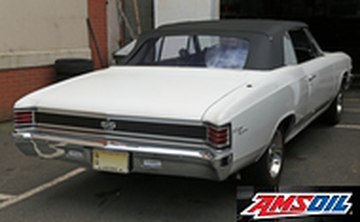
Engine Maintenance for the 1983 Chevrolet IMPALA 3.8L
Maintaining an older vehicle requires consistent attention to fluid levels and component health to ensure long-term operation. For the 1983 Chevrolet IMPALA equipped with the 3.8L engine, focusing on cooling system integrity and proper lubrication practices is essential for managing engine temperature and reducing internal friction.
What coolant or antifreeze products are listed for my 1983 Chevrolet IMPALA 3.8L?
The following products are listed for this vehicle: Passenger Car & Light Truck Antifreeze & Coolant (ANTPC1G-EA) and Low Toxicity Antifreeze and Engine Coolant (ANT1G-EA).
Engine Oil Lubrication Fundamentals
The engine oil serves as the primary defense against heat, friction, and contaminants within the 3.8L engine. Regular monitoring of the oil level is a fundamental maintenance task. Owners should check the oil level using the dipstick frequently to ensure that consumption or leaks have not dropped the volume below safe operating levels. Maintaining an adequate volume of oil ensures that critical components, such as the camshaft and crankshaft bearings, receive constant lubrication.
When selecting oil for this application, it is important to use a product that meets the requirements for older engine designs. While modern oils are highly advanced, ensuring the lubricant provides the necessary film strength is vital for protecting internal surfaces from wear during startup and high-temperature operation.
Cooling System Management
The cooling system is responsible for transferring heat away from the engine block and cylinder heads to prevent overheating. Because this vehicle utilizes specific antifreeze and coolant products, using the listed types helps maintain the chemical balance required to protect against corrosion and scale buildup. A compromised cooling system can lead to rapid temperature spikes, which may cause damage to gaskets or internal engine components.
Regularly inspecting hoses for cracks, soft spots, or bulging is a practical way to prevent sudden coolant loss. Additionally, checking the radiator cap and ensuring the thermostat functions correctly are important steps in maintaining a stable thermal environment for the 3.8L engine.
Monitoring Fluid Integrity
Beyond oil and coolant, all vehicle fluids should be inspected for signs of contamination or degradation. For example, if oil appears milky or cloudy, it may indicate that coolant has entered the lubrication system. Conversely, if oil appears excessively dark or smells of fuel, it could suggest issues with combustion or internal seals. Monitoring these visual cues can provide early warnings of mechanical issues before they escalate into significant failures.
Checking for leaks on the ground beneath the vehicle is another simple but effective method for identifying potential problems with gaskets, seals, or hose connections. Addressing small leaks promptly helps maintain the correct fluid levels necessary for safe operation.
Preventative Maintenance Scheduling
To keep a 1983 Chevrolet IMPALA running efficiently, it is necessary to follow a consistent maintenance routine. Rather than relying on guesswork, owners should consult the manufacturer's maintenance schedule or the vehicle owner's manual to determine when specific services should be performed. Following these established guidelines helps ensure that components are serviced before they reach the end of their reliable service life.
Routine inspections of belts, hoses, and fluid levels should be integrated into regular vehicle use. This proactive approach is more effective than reactive repairs, as it allows for the identification of wear patterns in a controlled manner.
Engine Oil Viscosity Considerations
The viscosity of an engine oil determines how easily it flows through the engine passages at different temperatures. For this specific 3.8L application, 10W-30 is a listed viscosity. Using the correct weight helps ensure that the oil can reach upper engine components quickly during cold starts while maintaining enough thickness to provide a protective layer when the engine reaches operating temperature.
How often should I change the oil in my 1983 Chevrolet IMPALA 3.8L?
To determine the correct oil change frequency for this vehicle, you should follow the owner's manual or the manufacturer maintenance schedule.
BUYING ENGINE OIL
When you are ready to purchase lubrication for your vehicle, focus on selecting products that align with the requirements of your specific engine. Look for containers that clearly state the viscosity and ensure they meet the standards necessary for your application. Always verify that the product is appropriate for the age and design of your 3.8L engine to provide the best possible protection against wear.